logo
Home > Products > Tinplate Sheets >
Matte Finish Electrolytic Tinplate Sheets For Food Cans & Packaging

Matte Finish Electrolytic Tinplate Sheets For Food Cans & Packaging

matte finish tinplate sheets

electrolytic tinplate for food cans

tinplate sheets for packaging

Place of Origin:

China

Brand Name:

QuanJiang

Certification:

MILL CERTIFICATE,SGS

Model Number:

Tinplate sheet

Contact Us

Request A Quote
Product Details
Standardcompliance:
ASTM B545, JIS G3303
Width:
600-1030mm, Coils
Annealing:
BA CA
Temper:
T-2,T-3,T-4,T-5, LR-8, DR-9,DR-9M
Application:
Making Metal Packaging, Food Can
Thickness:
0.15-0.47mm
Tin Coating:
1.1/1.1,2.0/2.0, 2.8/2.8,5.6/5.6, Etc. Or Customerized
Surface:
Bright,Stone,Silver ,Matte
Payment & Shipping Terms
Minimum Order Quantity
25tons
Price
Negotiated
Packaging Details
Seaworthy Standard with wooden pallet, corner protected. by sheet or coils according to customer's requires.
Delivery Time
Negotiated
Payment Terms
T/T
Supply Ability
50000MT/Month
Product Description
Product Introduction

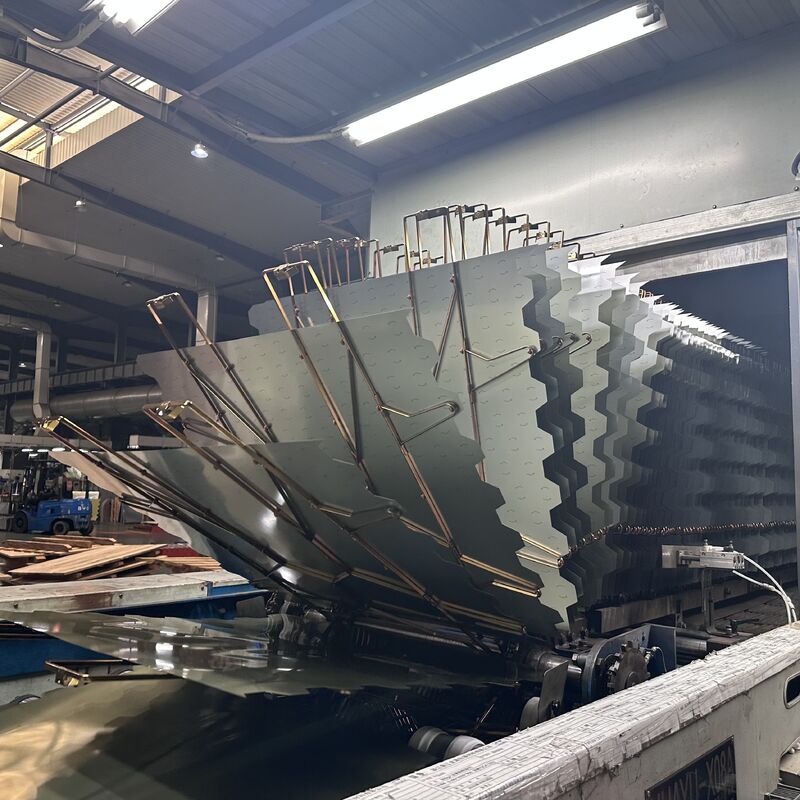
The electrolytic matte finish tinplate sheet represents a highly specialized category of food can material, intentionally engineered to meet the structural and aesthetic demands of modern high-speed metal packaging assembly lines. Produced by coating cold-rolled low-carbon steel sheets with commercial pure tin via a continuous electrolytic process, this material features a distinctive non-glossy, stone-textured matte surface finish. This specific finish is achieved by controlling the roughness of the base steel substrate before the electro-tinning process, providing excellent oil absorption and superior lacquer adhesion compared to standard bright or stone finishes.

As a cornerstone of contemporary metal preservation, these tinplate sheets provide a reliable foundation for making various closures, especially the highly demanded tinplate lid, standard sanitary ends, easy-open ends (EOE), and deep-drawn multi-piece cans. The chemical structure of this food can material creates an absolute barrier against ambient oxygen, light penetration, and atmospheric moisture. By eliminating the risks of light-induced oxidation and physical deformation under extreme retort conditions, this raw material ensures that the enclosed food and beverage contents remain fully preserved, flavor-stable, and chemically stable throughout extended international supply chains.

Product Features & Corrosion-Resistant Attributes

  • Advanced Multi-Tier Corrosion Resistance: The exceptional defense mechanism of this food can material is its primary engineering attribute. The thin layer of electrolytically deposited pure tin acts as a robust barrier and a sacrificial anode. When combined with targeted inner coatings like epoxy-phenolic or organosol lacquers, it isolates the structural steel substrate from aggressive elements, effectively halting rust, corrosion, pitting, and metal dissolution caused by high-acid liquids, brines, and fluctuating humidity.

  • Superb Lacquer Adhesion and Printing Performance: The unique matte finish surface texture creates microscopic surface anchoring sites. This structural profile maximizes the bonding strength between the raw metal and the protective lacquers or high-definition CMYK lithographic inks. This enhanced adhesion prevents coating peeling, scratching, and blistering during severe post-printing fabrication processes, such as mechanical rolling, bending, and punching.

  • Optimated Mechanical Workability & Formability: Available in a diverse spectrum of hardness grades ranging from flexible TS230 to highly rigid TH620, these sheets accommodate both simple stamping and intricate deep-drawing processes. The base material exhibits excellent elongation characteristics and uniform tensile strength, making it ideal for the defect-free manufacturing of complex configurations, cylindrical bodies, and tight-sealing tinplate lid components.

  • Hermetic Structural Integrity & Eco-Friendly Cycle: The robust yield strength of this cold-rolled steel matrix guarantees that finished cans can withstand internal vacuum pressures and high-temperature autoclave sterilization (up to 121°C or higher) without buckling. Furthermore, this material is 100% recyclable, complies fully with major food-grade safety standards (including JIS G3303, ASTM, and DIN), and releases zero toxic chemical residues.

Specifications & Technical Parameters Table

The engineering tolerances, steel grades, and manufacturing profiles for this matte finish food can material are detailed in the structural index below:

Technical Parameter Index Detailed Manufacturing Specifications
Product Format Prime Electrolytic Tinplate Sheets / Continuous Coil Rolls
Surface Finish Type Matte Finish / Stone Texture Finish (Non-Glossy Profile)
Core Base Metal Material MR, SPCC, DR8, Q195, A08AL Low-Carbon Steel
Thickness Capability 0.15 mm to 0.47 mm (Standard focus: 0.19 mm - 0.25 mm)
Available Width Range 600 mm to 1020 mm (Custom precision slitting available)
Tempering Methods BA (Batch Annealed) / CA (Continuous Annealed) Processes
Hardness Spectrum TS230, TS245, TS260, TS275, TS290 / TH415, TH435, TH520, TH550, TH580, TH620
Tin Coating Mass Weight 1.1/1.1, 2.0/2.0, 2.8/2.8, 5.6/5.6 g/m² (Equally or differentially coated)
Internal Surface Prep Anti-rust oiling, Passivation treatment, Chemical treatment
External Customization High-definition CMYK printing, Gold Lacquer, Clear Lacquer, Laminating
Manufacturing Standards JIS G3303, DIN, ASTM, GB Compliance Frameworks
Export Packaging System Plastic Film + Rust-proof Paper + Metal Outer Covers & Corner Angles + Wooden Pallets

Matte Finish Electrolytic Tinplate Sheets For Food Cans & Packaging 0


Matte Finish Electrolytic Tinplate Sheets For Food Cans & Packaging 1


Target Application Scenarios

The unique surface performance and corrosion-resistant attributes of these matte finish tinplate sheets make them highly applicable across these sectors:

  • High-Speed Tinplate Lid and EOE Fabrication: This material is widely used by automated component manufacturers to press circular and rectangular lids. The matte surface acts as a dry lubricant during high-speed stamping, reducing tool wear while ensuring that the critical score lines on easy-open ends remain rust-free and firmly protected by their external coatings.

  • Aerosol and Chemical Can Manufacturing: The high mechanical strength makes this material excellent for forming the domes, bottoms, and three-piece bodies of industrial aerosol cans, paints, and solvent containers. It successfully prevents internal corrosion caused by chemical propellants and aggressive active ingredients.

  • High-Acid Marine and Protein Packaging: Perfect for structuring specialized tuna, salmon, and sardine cans. Marine proteins naturally release volatile sulfur during high-heat retort sterilization. The combination of a matte substrate and sulfur-resistant aluminum paste lacquers completely stops "sulfur blackening," protecting the can interior from dark iron-sulfide staining.

  • Fruit, Vegetable, and Beverage Preservation: Used extensively for packing tomato purees, sweetcorn, sliced pineapples, carbonated soft drinks, and beer. The heavy tin coating option (such as 5.6/5.6 g/m²) blocks aggressive fruit acids and carbonation from contacting the steel core, preventing can swelling and taste contamination.

Frequently Asked Questions (FAQ)
  • Q1: What are the distinct operational benefits of a matte finish over a standard bright finish?

    • A: The primary benefit lies in its micro-rough surface texture, which provides superior coating and lacquer adhesion. Protective lacquers bond more securely to a matte finish, reducing the risk of peeling or blistering during heavy mechanical stamping and shaping. Additionally, the non-glossy finish hides minor scratches during handling and reduces tool wear on high-speed stamping presses.

  • Q2: How does this specific food can material protect against severe internal rust and rust bleeding?

    • A: Protection is achieved through double-layer engineering. The electro-deposited tin layer acts as a physical shield and a sacrificial anode for the steel core. This metal foundation is then paired with high-performance polymer coatings, completely isolating the steel matrix from moisture, oxygen, organic acids, and sulfur compounds, eliminating the risk of internal corrosion.

  • Q3: What specific detail requirements should a buyer provide to secure an accurate quotation?

    • A: To get a precise quote, please provide the exact metal grade (e.g., MR, SPCC), exact dimensions (thickness, width, sheet length), required temper/hardness (e.g., TH520 or T3), specific tin coating weight (e.g., 2.8/2.8 g/m²), finish preference (matte), internal lacquer requirements based on your product fill, and total volume in metric tons.

  • Q4: Can these tinplate sheets safely undergo thermal processing and high-temperature sterilization?

    • A: Yes. These sheets are specifically engineered using specialized batch or continuous annealing methods to handle standard retort cooking and pasteurization cycles (exceeding 121°C). They maintain their physical shape, internal vacuum seals, and structural strength without micro-cracking, buckling, or losing coating adhesion under intense thermal and pressure shifts.

  • Q5: How does your industrial packaging prevent oxidation and physical damage during sea transport?

    • A: We use an advanced seaworthy packaging system. Each sheet bundle is first wrapped in thin plastic film and heavy-duty, rust-preventative VCI paper. The bundle is then enclosed in a structural metal cover with reinforced metal corner angles. Finally, the entire unit is securely strapped with high-tensile steel bands onto heavy-duty, fumigated wooden pallets to ensure full protection against moisture, impact, and seawater corrosion.

Send your inquiry directly to us

Privacy Policy China Good Quality Electrolytic Tin Plate Supplier. Copyright © 2020-2026 electrolytic-tinplate.com . All Rights Reserved.