Place of Origin:
China
Brand Name:
QuanJiang
Certification:
MILL CERTIFICATE,SGS
Model Number:
Tinplate sheet
Contact Us
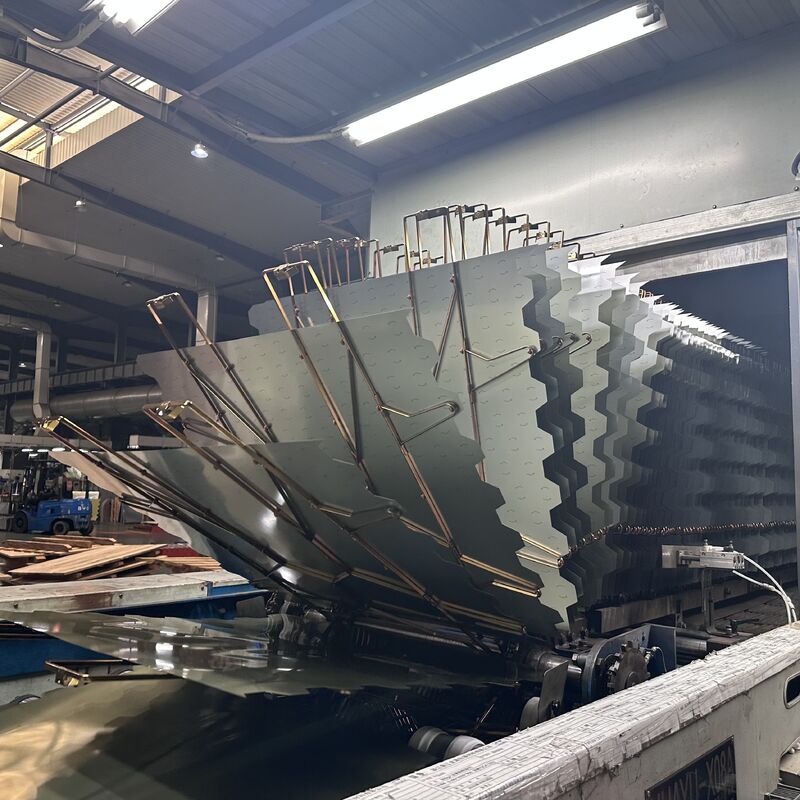
The electrolytic matte finish tinplate sheet represents a highly specialized category of food can material, intentionally engineered to meet the structural and aesthetic demands of modern high-speed metal packaging assembly lines. Produced by coating cold-rolled low-carbon steel sheets with commercial pure tin via a continuous electrolytic process, this material features a distinctive non-glossy, stone-textured matte surface finish. This specific finish is achieved by controlling the roughness of the base steel substrate before the electro-tinning process, providing excellent oil absorption and superior lacquer adhesion compared to standard bright or stone finishes.
As a cornerstone of contemporary metal preservation, these tinplate sheets provide a reliable foundation for making various closures, especially the highly demanded tinplate lid, standard sanitary ends, easy-open ends (EOE), and deep-drawn multi-piece cans. The chemical structure of this food can material creates an absolute barrier against ambient oxygen, light penetration, and atmospheric moisture. By eliminating the risks of light-induced oxidation and physical deformation under extreme retort conditions, this raw material ensures that the enclosed food and beverage contents remain fully preserved, flavor-stable, and chemically stable throughout extended international supply chains.
Product Features & Corrosion-Resistant Attributes
Advanced Multi-Tier Corrosion Resistance: The exceptional defense mechanism of this food can material is its primary engineering attribute. The thin layer of electrolytically deposited pure tin acts as a robust barrier and a sacrificial anode. When combined with targeted inner coatings like epoxy-phenolic or organosol lacquers, it isolates the structural steel substrate from aggressive elements, effectively halting rust, corrosion, pitting, and metal dissolution caused by high-acid liquids, brines, and fluctuating humidity.
Superb Lacquer Adhesion and Printing Performance: The unique matte finish surface texture creates microscopic surface anchoring sites. This structural profile maximizes the bonding strength between the raw metal and the protective lacquers or high-definition CMYK lithographic inks. This enhanced adhesion prevents coating peeling, scratching, and blistering during severe post-printing fabrication processes, such as mechanical rolling, bending, and punching.
Optimated Mechanical Workability & Formability: Available in a diverse spectrum of hardness grades ranging from flexible TS230 to highly rigid TH620, these sheets accommodate both simple stamping and intricate deep-drawing processes. The base material exhibits excellent elongation characteristics and uniform tensile strength, making it ideal for the defect-free manufacturing of complex configurations, cylindrical bodies, and tight-sealing tinplate lid components.
Hermetic Structural Integrity & Eco-Friendly Cycle: The robust yield strength of this cold-rolled steel matrix guarantees that finished cans can withstand internal vacuum pressures and high-temperature autoclave sterilization (up to 121°C or higher) without buckling. Furthermore, this material is 100% recyclable, complies fully with major food-grade safety standards (including JIS G3303, ASTM, and DIN), and releases zero toxic chemical residues.
The engineering tolerances, steel grades, and manufacturing profiles for this matte finish food can material are detailed in the structural index below:
| Technical Parameter Index | Detailed Manufacturing Specifications |
|---|---|
| Product Format | Prime Electrolytic Tinplate Sheets / Continuous Coil Rolls |
| Surface Finish Type | Matte Finish / Stone Texture Finish (Non-Glossy Profile) |
| Core Base Metal Material | MR, SPCC, DR8, Q195, A08AL Low-Carbon Steel |
| Thickness Capability | 0.15 mm to 0.47 mm (Standard focus: 0.19 mm - 0.25 mm) |
| Available Width Range | 600 mm to 1020 mm (Custom precision slitting available) |
| Tempering Methods | BA (Batch Annealed) / CA (Continuous Annealed) Processes |
| Hardness Spectrum | TS230, TS245, TS260, TS275, TS290 / TH415, TH435, TH520, TH550, TH580, TH620 |
| Tin Coating Mass Weight | 1.1/1.1, 2.0/2.0, 2.8/2.8, 5.6/5.6 g/m² (Equally or differentially coated) |
| Internal Surface Prep | Anti-rust oiling, Passivation treatment, Chemical treatment |
| External Customization | High-definition CMYK printing, Gold Lacquer, Clear Lacquer, Laminating |
| Manufacturing Standards | JIS G3303, DIN, ASTM, GB Compliance Frameworks |
| Export Packaging System | Plastic Film + Rust-proof Paper + Metal Outer Covers & Corner Angles + Wooden Pallets |
The unique surface performance and corrosion-resistant attributes of these matte finish tinplate sheets make them highly applicable across these sectors:
High-Speed Tinplate Lid and EOE Fabrication: This material is widely used by automated component manufacturers to press circular and rectangular lids. The matte surface acts as a dry lubricant during high-speed stamping, reducing tool wear while ensuring that the critical score lines on easy-open ends remain rust-free and firmly protected by their external coatings.
Aerosol and Chemical Can Manufacturing: The high mechanical strength makes this material excellent for forming the domes, bottoms, and three-piece bodies of industrial aerosol cans, paints, and solvent containers. It successfully prevents internal corrosion caused by chemical propellants and aggressive active ingredients.
High-Acid Marine and Protein Packaging: Perfect for structuring specialized tuna, salmon, and sardine cans. Marine proteins naturally release volatile sulfur during high-heat retort sterilization. The combination of a matte substrate and sulfur-resistant aluminum paste lacquers completely stops "sulfur blackening," protecting the can interior from dark iron-sulfide staining.
Fruit, Vegetable, and Beverage Preservation: Used extensively for packing tomato purees, sweetcorn, sliced pineapples, carbonated soft drinks, and beer. The heavy tin coating option (such as 5.6/5.6 g/m²) blocks aggressive fruit acids and carbonation from contacting the steel core, preventing can swelling and taste contamination.
Q1: What are the distinct operational benefits of a matte finish over a standard bright finish?
A: The primary benefit lies in its micro-rough surface texture, which provides superior coating and lacquer adhesion. Protective lacquers bond more securely to a matte finish, reducing the risk of peeling or blistering during heavy mechanical stamping and shaping. Additionally, the non-glossy finish hides minor scratches during handling and reduces tool wear on high-speed stamping presses.
Q2: How does this specific food can material protect against severe internal rust and rust bleeding?
A: Protection is achieved through double-layer engineering. The electro-deposited tin layer acts as a physical shield and a sacrificial anode for the steel core. This metal foundation is then paired with high-performance polymer coatings, completely isolating the steel matrix from moisture, oxygen, organic acids, and sulfur compounds, eliminating the risk of internal corrosion.
Q3: What specific detail requirements should a buyer provide to secure an accurate quotation?
A: To get a precise quote, please provide the exact metal grade (e.g., MR, SPCC), exact dimensions (thickness, width, sheet length), required temper/hardness (e.g., TH520 or T3), specific tin coating weight (e.g., 2.8/2.8 g/m²), finish preference (matte), internal lacquer requirements based on your product fill, and total volume in metric tons.
Q4: Can these tinplate sheets safely undergo thermal processing and high-temperature sterilization?
A: Yes. These sheets are specifically engineered using specialized batch or continuous annealing methods to handle standard retort cooking and pasteurization cycles (exceeding 121°C). They maintain their physical shape, internal vacuum seals, and structural strength without micro-cracking, buckling, or losing coating adhesion under intense thermal and pressure shifts.
Q5: How does your industrial packaging prevent oxidation and physical damage during sea transport?
A: We use an advanced seaworthy packaging system. Each sheet bundle is first wrapped in thin plastic film and heavy-duty, rust-preventative VCI paper. The bundle is then enclosed in a structural metal cover with reinforced metal corner angles. Finally, the entire unit is securely strapped with high-tensile steel bands onto heavy-duty, fumigated wooden pallets to ensure full protection against moisture, impact, and seawater corrosion.
Send your inquiry directly to us