High-Performance Electrolytic Tin Plate for Superior Sealing & Long-Term Food Preservation
Product Description
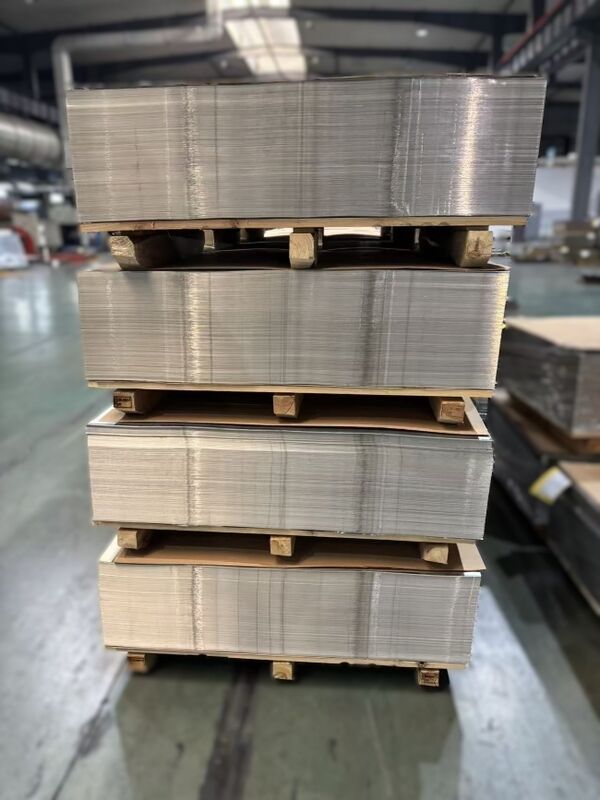
Electrolytic Tin Plate (ETP) represents the industry standard for creating secure, long-lasting metal packaging. This material consists of a cold-rolled steel substrate electrolytically coated with a pure tin layer, forming an exceptional barrier that is both robust and adaptable. Engineered specifically for applications where maintaining product integrity is critical, it provides outstanding sealing capabilities and preservation properties. By effectively blocking oxygen, moisture, light, and external contaminants, it ensures the freshness, flavor, and safety of sensitive contents. Available in versatile coil or sheet formats, this tinplate is the foundational material for manufacturing a wide array of containers, including food cans for fish and vegetables, aerosol cans, paint tins, and industrial pails.
Features & Characteristics
-
Exceptional Barrier Properties: The combination of a steel base and inert tin coating creates a hermetic seal when fabricated, offering an impermeable defense against air, moisture, and microbial ingress.
-
Superior Preservation Quality: Protects contents from light-induced degradation and prevents flavor/scalar transfer, ensuring long shelf life and maintained product quality for both food and non-food items.
-
Excellent Fabrication Versatility: Available in a full spectrum of tempers (T1-T5, DR7-DR9) and hardness grades (TS230-TH620), allowing precise matching to different forming processes, from deep-drawing to welding.
-
Broad Application Range: Suited for an extensive variety of end uses, from acidic food products and carbonated beverages to chemical reagents, oils, and industrial coatings.
-
Customizable Specifications: Offered in multiple thicknesses, widths, surface finishes (Bright, Stone, Matte), and tin coating weights to meet exact production line and product protection needs.
Key Advantages
Implementing this high-grade Electrolytic Tin Plate delivers unmatched packaging reliability. Its proven sealing performance minimizes spoilage and waste, protecting brand reputation. The material’s strength allows for lightweight, durable containers that reduce shipping costs. As a 100% recyclable and permanently available material, it supports circular economy goals. Furthermore, its compatibility with high-speed manufacturing and consistent quality, backed by Mill Certification, ensures efficient production and supply chain confidence.
Technical Parameters Table
| Parameter |
Specification |
| Material Type |
Electrolytic Tin Plate (ETP) / Tin Free Steel (TFS) |
| Base Steel |
MR, SPCC, Prime Grade |
| Available Form |
Coil or Sheet |
| Thickness Range |
0.15mm – 0.45mm (Customizable) |
| Width Range |
650mm – 1050mm |
| Coating Mass |
1.1/1.1, 2.0/2.0, 2.8/2.8, 5.6/5.6 g/m² (Customizable) |
| Temper Designation |
T1, T2, T3, T4, T5, DR7, DR8, DR9 |
| Hardness Grades |
TS230, TS245, TS260, TS275, TS290, TH415-TH620 |
| Key Certification |
Mill Certificate |
Frequently Asked Questions (FAQ)
Q1: How does tinplate achieve such good sealing for cans?
A1: The excellent sealing is a result of the material's inherent formability and strength. It can be precisely formed and then hermetically sealed using double-seaming (for ends) or welding (for bodies), creating an airtight and tamper-evident closure that locks in freshness.
Q2: Is this material suitable for packaging both acidic foods and alkaline products?
A2: Yes. The tin coating provides a chemically stable barrier. For highly aggressive contents, the tinplate serves as an ideal substrate for additional, food-grade internal lacquers that can be specified to provide extra, targeted chemical resistance.
Q3: What is the main difference between ordering coils versus sheets?
A3: Coils are optimal for high-volume, automated production lines using continuous feed systems, minimizing waste. Sheets are better suited for specific blanking or stamping operations where pre-cut dimensions are required. We can supply both based on your manufacturing setup.
Q4: Can you provide material for making aerosol cans?
A4: Absolutely. Specific tempers and hardness grades (such as DR8, DR9, or T5CA) are recommended for aerosol can bodies and ends to withstand internal pressure. The thickness and coating can be customized for this demanding application.
Q5: What quality assurance do you provide with the material?
A5: We supply a Mill Test Certificate with each batch, detailing the chemical composition, mechanical properties, coating adherence, and dimensional compliance. This ensures full traceability and guarantees the material meets the specified standards for your preservation-critical packaging.

Product Show


 Your message must be between 20-3,000 characters!